When America Sleeps, They Go Live: Inside the Midnight Streaming Gold Rush
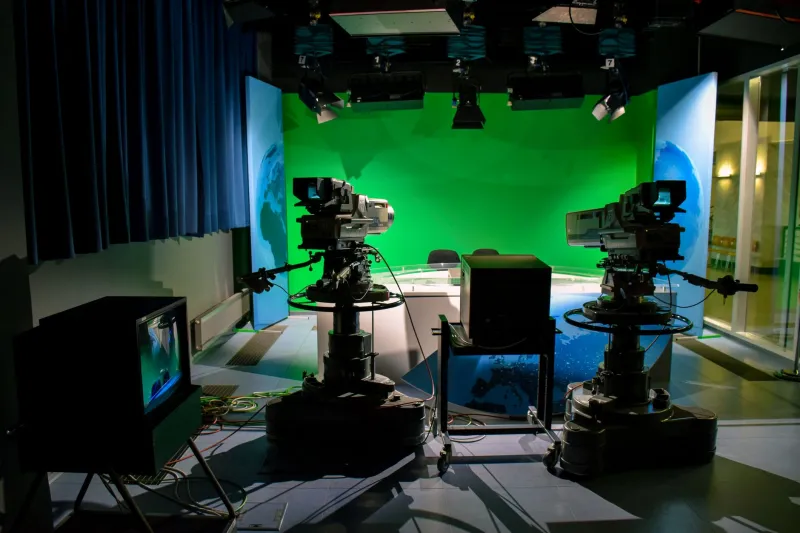
Photo: Studios Setra Ny Avo from Setra Ny Avo,Santa Mireille, Madagascar, CC BY 2.0, via Wikimedia Commons
It's 2:47 AM in Ohio and Marcus is narrating his third hour of a silent, slow-burn 'cozy cleaning' stream. His camera points at a dimly lit kitchen. His chat — all 1,200 of them — is a scrolling mix of night-shift nurses on break, truckers parked at rest stops, and college students who gave up on sleep an hour ago. Nobody's talking much. That's the point.
Welcome to the 2 AM economy.
The Overnight Audience Nobody Was Counting
For years, platforms measured success in prime-time numbers. The evening hours were where the money lived, and the wee hours were treated as dead air. That assumption has quietly collapsed. Roughly 15 million Americans work overnight shifts — nurses, warehouse crews, dispatchers, bakers — and they're glued to their phones during breaks, looking for company that doesn't require conversation.
Add to that the insomniacs, the new parents pacing dark hallways, the West Coast crowd closing out their night, and you get an audience that's smaller in raw numbers but dramatically more loyal. Overnight viewers don't channel-surf. They stay.
What a Sleep Stream Actually Makes
The economics are counterintuitive. A night streamer with 800 concurrent viewers can out-earn a daytime streamer with 5,000, because overnight audiences are disproportionately generous. They're lonely, they're committed, and a $5 tip feels like buying a friend a coffee.
The niches that thrive after midnight share a few traits: low production value, high presence. 'Sleep streams' where creators doze on camera with a chat watching their breathing. Ambient study sessions. Slow TV drives through empty cities. One creator we spoke with streams herself doing jigsaw puzzles from 1 to 6 AM and clears a full-time income from subscriptions and tips alone.
Platforms, naturally, noticed. Several now push overnight discovery feeds and offer bonus visibility for creators broadcasting during low-competition hours. It's cheaper shelf space, and the inventory was just sitting there.
The Health Bill Comes Due
But there's a ledger nobody's showing in the overlay. Circadian researchers have been blunt for decades: chronic night work is associated with elevated risks of cardiovascular disease, metabolic issues, and depression. Streamers layer a gig-economy hustle on top of that — no HR department, no shift limits, and an algorithm that rewards consistency above all.
'Take a night off and the chat moves on,' one streamer told us. 'The audience forgives a lot, but not silence.'
Some creators are building guardrails: scheduled sleep days, co-streamers who split overnight duties, hard stop times enforced by moderators. Others are burning through their twenties on four hours of sleep, chasing a growth curve that never flattens.
The Weirdest Community on the Internet
Spend enough time in overnight chats and you start to understand the appeal. There's a tenderness to these rooms. Regulars greet each other by name across time zones. Someone announces they finally got a job; the chat erupts. It's a digital diner at 3 AM — the coffee's bad, the lighting's worse, and nobody wants to leave.
The 2 AM economy isn't a fad. It's what happens when you give the loneliest hours of the day a comment box. Whether it's sustainable — for the creators, or for the humans doing the streaming — is the question the whole niche is quietly staying up worrying about.