Nobody's Star Until the Camera Caught Them: How Random People Are Crashing the Streaming Spotlight

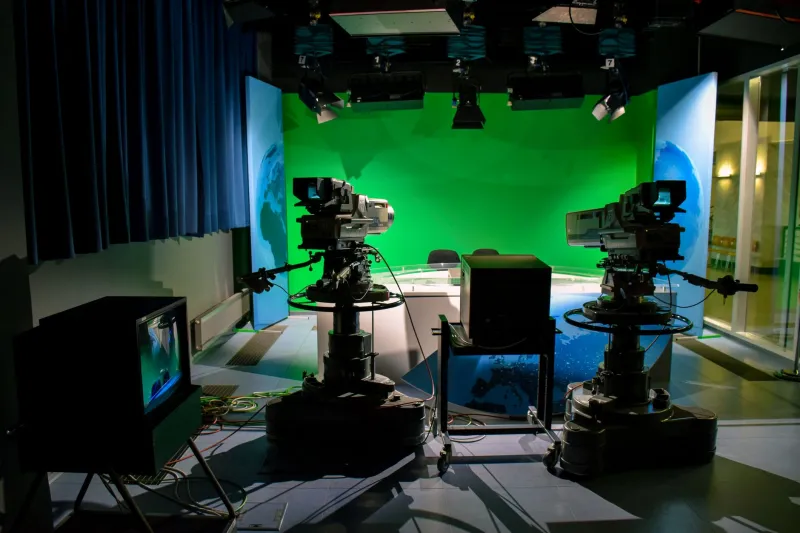
Photo: Wikideas1, CC0, via Wikimedia Commons
There's a particular kind of magic that happens on a live stream that no production budget can manufacture. A stranger wanders into frame. A background conversation spills into a mic. Someone in the crowd makes a face that says everything the polished host couldn't. And just like that, the internet has a new favorite person — one who didn't even know they were auditioning.
This is the age of the accidental influencer, and it's quietly rewriting the rules of who gets to matter online.
The Moment Nobody Planned For
Live content has always carried the promise of the unexpected. That's part of why people tune in — the possibility that something real might happen. But what's changed in the last few years is the scale at which those unplanned moments get amplified. A clip that would've died in a cable broadcast archive now gets clipped, captioned, and shared across TikTok and X within minutes.
Take the phenomenon of background characters during large-scale live events. Gaming tournaments, IRL (in real life) street streams, live political watch parties, charity marathons — any broadcast where the camera isn't locked to a single subject becomes a potential launching pad for someone who wasn't even trying to be there.
One of the clearest examples of this played out during a popular IRL streamer's walking tour of a major US city. A woman selling homemade tamales from a cart near a transit stop ended up spending nearly forty minutes in frame, completely unfazed by the camera and absolutely charming in the way she talked to her regulars. Clips of her spread fast. By the next morning, people were hunting down her location, and a local food blog had already written about her. She hadn't done a single thing for the algorithm — she'd just been herself, loudly and without apology.
That authenticity is the whole game.
Why Authenticity Hits Harder Than Production Value
Traditional entertainment spends enormous resources trying to simulate authenticity. Reality TV has been attempting it for two decades with diminishing returns. Audiences have gotten genuinely good at sniffing out the manufactured moment, the coached reaction, the drama that was obviously seeded in a writer's room.
Live streaming doesn't have that problem — or rather, it has the opposite problem. There's no time to manufacture anything. The rawness is structural. And when a real, unscripted person shows up in that space and reacts like a human being rather than a content creator, it creates something that polished entertainment fundamentally can't replicate.
Psychologists who study parasocial relationships — those one-sided emotional bonds audiences form with people on screens — point out that the perception of realness is often more important than realness itself. But on live streams, that perception doesn't need any engineering. When someone doesn't know they're going viral, it shows. And viewers respond to that with a depth of affection that's almost startling.
"There's something about watching someone who has no idea they're being watched that feels like a privilege," one media studies researcher noted in a recent podcast discussion about internet fame. "Even though they clearly are being watched, the absence of performance registers as intimacy."
From Background Noise to Main Character
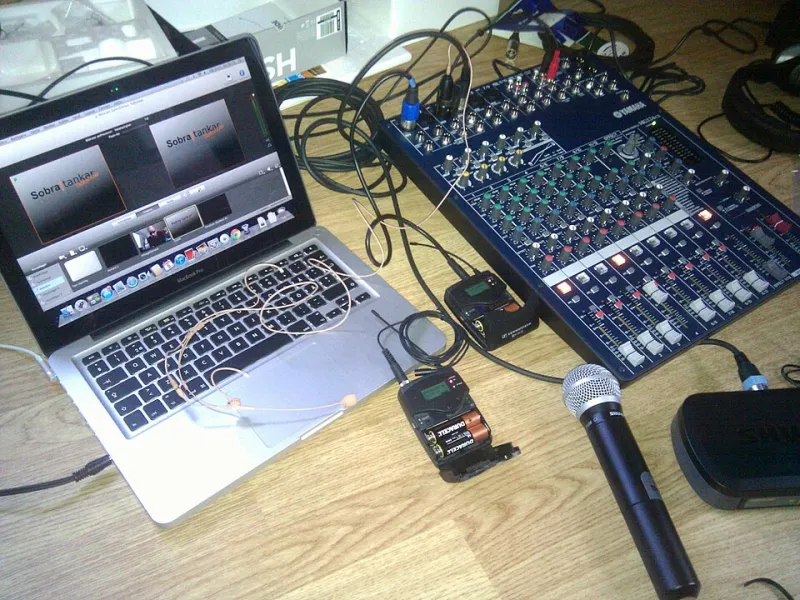
Some of the most compelling accidental influencer stories come from the gaming world, where charity streams and esports broadcasts regularly pull in thousands of concurrent viewers. During a high-profile 24-hour gaming charity event, a volunteer moderator — someone who was just helping manage chat from off-camera — accidentally got picked up by a hot mic for several minutes. Their running commentary, equal parts deadpan and genuinely enthusiastic, became the most-clipped content from the entire stream. Donations started pouring in with messages referencing their comments. By the end of the event, the main streamer was joking that they'd been upstaged.
That kind of moment is increasingly common. And it raises a genuinely interesting question: what happens to these people after the clip cycle ends?
For some, it's a brief flash — a week of DMs and a follower spike that fades. For others, the moment becomes a launchpad. A few have leveraged their viral appearances into actual streaming careers, often leaning directly into the "I didn't ask for this" persona that made them appealing in the first place. The irony, of course, is that trying to replicate the authenticity that made the original moment work is its own kind of performance.
The Platform Effect
Streaming platforms have a complicated relationship with accidental stars. On one hand, these moments generate enormous engagement and often drive significant traffic. On the other hand, they create thorny questions around consent, privacy, and credit. If someone becomes a meme from appearing on your stream, do they have any claim to that? Most platforms currently say no — but the conversation is evolving.
Some streamers have started proactively reaching out to people who've gone viral through their content, offering revenue shares or at least public acknowledgment. It's not standard practice, but it's a growing one, particularly among creators who've built their brands around community and goodwill.
For the accidental influencers themselves, the experience ranges wildly. Some love it. Some find the sudden attention disorienting or even frightening. A few have spoken out about feeling like their image was used without real understanding of what they were consenting to when they stepped into a livestreamed space.
The Bigger Picture
What the rise of the accidental influencer actually tells us is something about what audiences are hungry for right now. In a media environment saturated with content that's been optimized, A/B tested, and focus-grouped to within an inch of its life, the unplanned human moment lands like a glass of cold water.
Live streaming — at its best, at its most chaotic and unpredictable — is the only format that reliably delivers that. You can't schedule a breakout background character. You can't write the tamale vendor into the script.
And that's exactly why people keep watching.
The stream doesn't care about your follower count. Sometimes it just points the camera at someone who's simply, genuinely, unperformably real — and the rest of the internet does the rest.